Is Teotihuacan Aztec or Mayan? Neither, and that is the interesting part
Teotihuacan was already ruins for centuries before the Aztecs found it, and it sits far from Maya territory. Who built it, what they called themselves, and why nobody knows.
 By Alejandro Ramírez, Teotihuacan hot air balloon specialist and experience guide
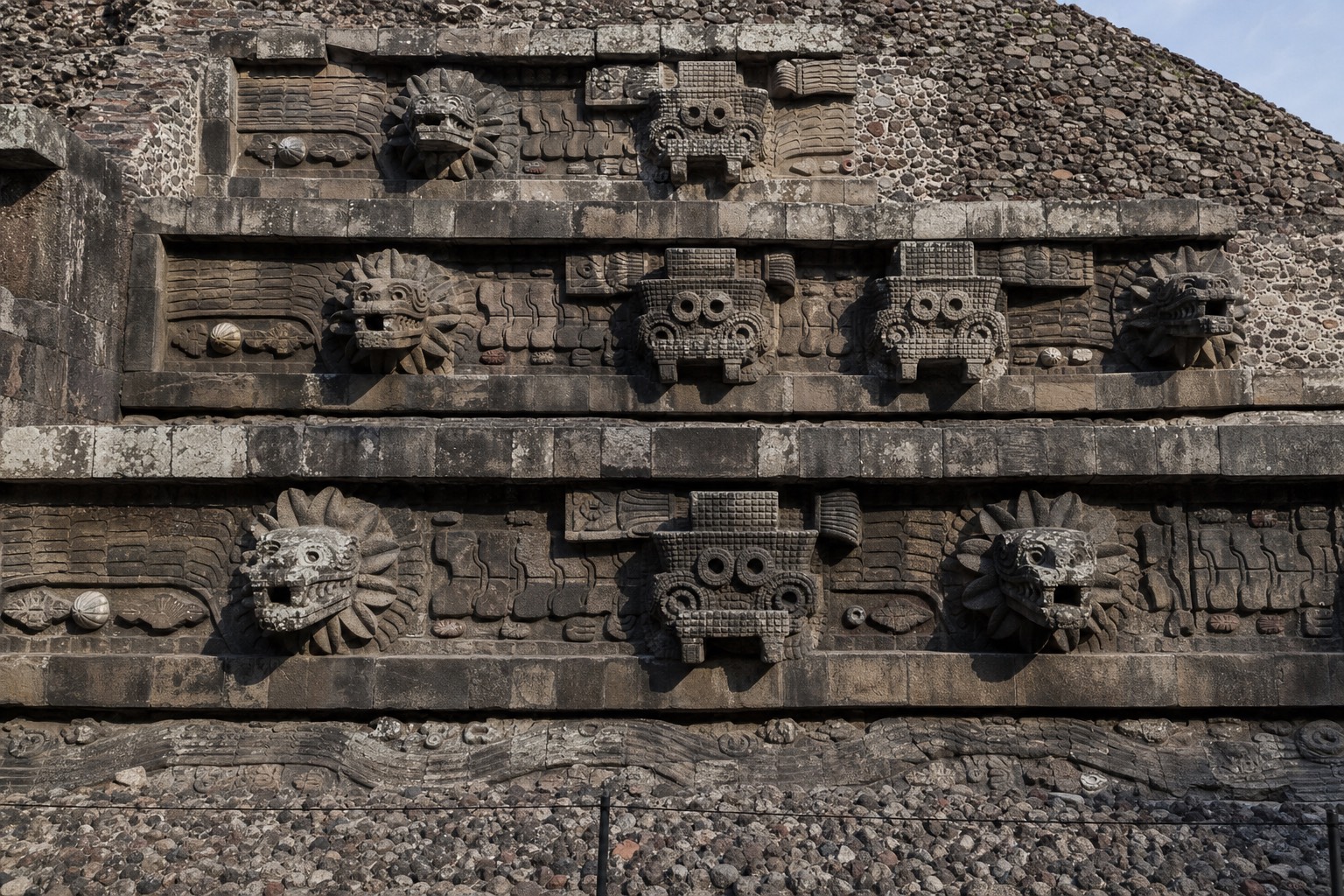
This is the most-asked question about Teotihuacan by a distance, and the answer is a flat neither. The city was not built by the Aztecs and it was not built by the Maya. It predates the Aztecs by roughly a thousand years, and it sits several hundred kilometres from Maya territory.
Booking choice
Neither Aztec nor Maya: an older, unnamed civilisation whose plan is its document. An archaeologist-led tour reads the ground version; the sunrise flight reads the plan itself.
What makes the question interesting is that nobody can tell you who did build it, or what they called themselves.
The timeline that settles it
| Roughly when | What was happening |
|---|---|
| 100 BCE onward | Teotihuacan is founded and begins to grow in the valley north-east of modern Mexico City |
| 100 to 550 CE | Its peak. One of the largest cities in the world at the time, controlling the Mesoamerican obsidian trade |
| c. 550 to 750 CE | Decline and collapse. Major structures along the Avenue of the Dead are burned |
| c. 750 to 1300 CE | The city stands abandoned, a ruin in an occupied landscape |
| 1325 CE | The Aztecs found Tenochtitlan, roughly where Mexico City is now |
| 1400s CE | Aztec rulers visit the ruins, treat them as sacred, and give them the name we still use |
Read the gap. By the time the Aztecs arrived in the valley of Mexico, Teotihuacan had been abandoned for something like six hundred years. That is a longer gap than the one between us and Chaucer.
The Aztecs named it, which is why people get confused
"Teotihuacan" is a Nahuatl word, the Aztec language. It is usually translated as something like "the place where the gods were created" or "the place where men become gods".
That is not the name of the city. It is what a much later civilisation called a set of enormous ruins they found and could not explain. The Aztecs assumed something divine had happened there, because what else do you conclude about a two-kilometre avenue lined with pyramids that nobody remembers building. They made pilgrimages to it and buried offerings in it.
So every name on the site is Aztec: the Avenue of the Dead, the Pyramid of the Sun, the Pyramid of the Moon. None of them is what the builders used. We do not know what the builders used, because their writing system has not been deciphered in a way that gives us their own name for themselves.
Why not the Maya
Geography, mostly. Maya civilisation occupied the Yucatán peninsula, Guatemala, Belize and neighbouring areas, hundreds of kilometres to the south-east. Teotihuacan is in the central Mexican highlands.
The two were contemporaries and they knew each other. There is strong evidence of Teotihuacan influence at Maya sites, including a documented moment in the fourth century when Teotihuacan appears to have installed a ruler at Tikal. Trade ran both ways. Teotihuacan had a Maya-associated neighbourhood.
But influence is not identity. Confusing the two is a bit like calling a Roman city Greek because there was a Greek quarter in it.
So who were they?
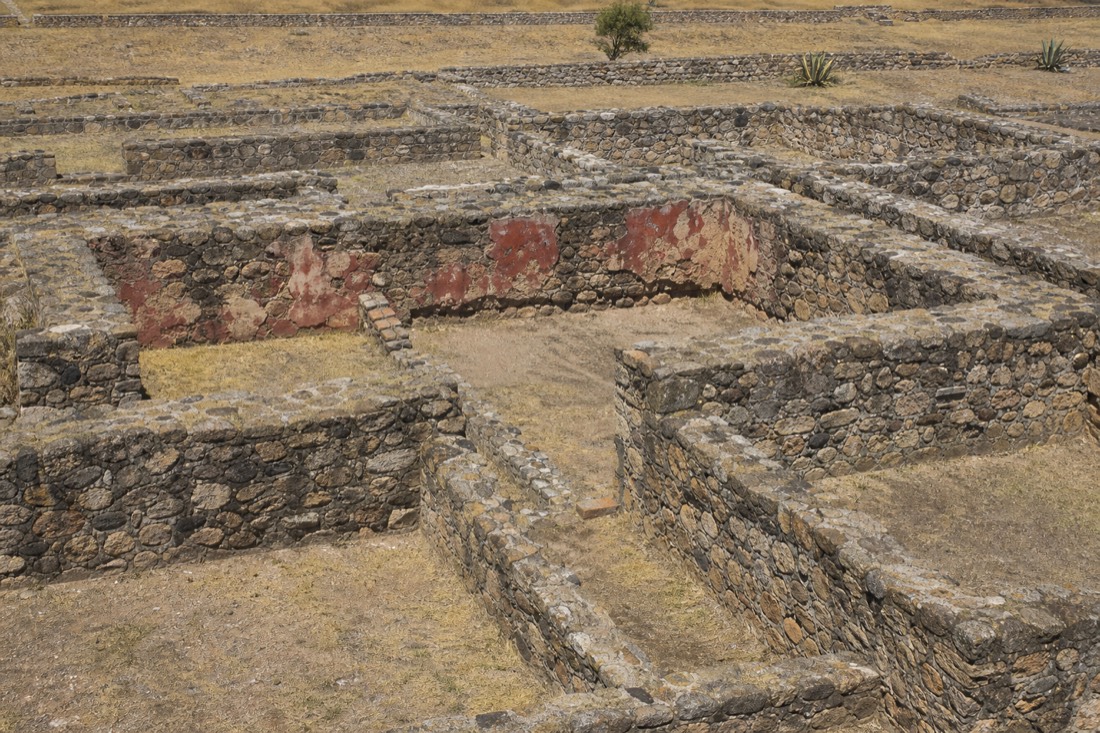
Unknown, and honestly stated as unknown by the archaeologists working on it. Teotihuacan was multi-ethnic: excavated neighbourhoods show distinct Zapotec and Maya-linked populations living in the city alongside the majority. That cosmopolitanism is one of the more remarkable things about it, and it is also part of why a single ethnic label does not fit.
The city also lacks the thing that usually answers this question, which is a monumental record of named rulers. Maya sites are covered in dynastic inscriptions. Teotihuacan is not. There are no royal portraits along the Avenue of the Dead, no king lists, no obvious ruler's tomb. Some researchers read that as evidence of a collective or corporate form of government rather than a personality cult.
A civilisation that built one of the largest cities on earth and left no ruler's name is a genuinely strange thing, and it is the reason Teotihuacan is worth the trip beyond its size.
What this changes about visiting
Two things.
You are not looking at Aztec architecture. If you have read about Tenochtitlan or seen the Templo Mayor in Mexico City, that is a different civilisation, a thousand years later, that regarded these ruins the way we regard Stonehenge.
The layout is the document. With no inscriptions to read, the city's plan is the main thing its builders left behind: a two-kilometre axis, the Pyramid of the Moon closing the north end against Cerro Gordo, the Pyramid of the Sun set deliberately off-centre, the Ciudadela anchoring the south. That plan is what a sunrise balloon flight puts in front of you in one frame, and it is not legible from the ground.
On the ground, the thing to seek out is the Temple of the Feathered Serpent in the Ciudadela, whose carved facade survives precisely because a later structure was built over it and buried it. That is as close as the site gets to speaking in its own voice. The guided add-on is worth the money here for exactly this reason: without a guide, almost none of it is signposted.
The short version, for the person who asked
Not Aztec. Not Maya. An earlier and separate civilisation whose own name for itself is lost, whose city was the largest in the Americas at its height, and whose ruins impressed the Aztecs so much six centuries later that they assumed gods had made them.
Who was where, in order
| 100 BCE onward | Teotihuacan founded and begins to grow |
|---|---|
| 100-550 CE | Teotihuacan's peak; one of the largest cities in the world, unrelated to the Aztecs or the Maya as a civilisation |
| c. 550-750 CE | Decline and collapse; major structures burned |
| c. 750-1300 CE | The city stands largely abandoned |
| 1325 CE | The Aztecs found Tenochtitlan, in the same valley of Mexico |
| 1400s CE | Aztec rulers visit the already-ancient ruins, name them Teotihuacan, and treat them as sacred |
| Maya civilisation, for comparison | Contemporary with Teotihuacan but centred hundreds of kilometres away in the Yucatán, Guatemala and Belize; documented contact existed, but neither built the other's city |
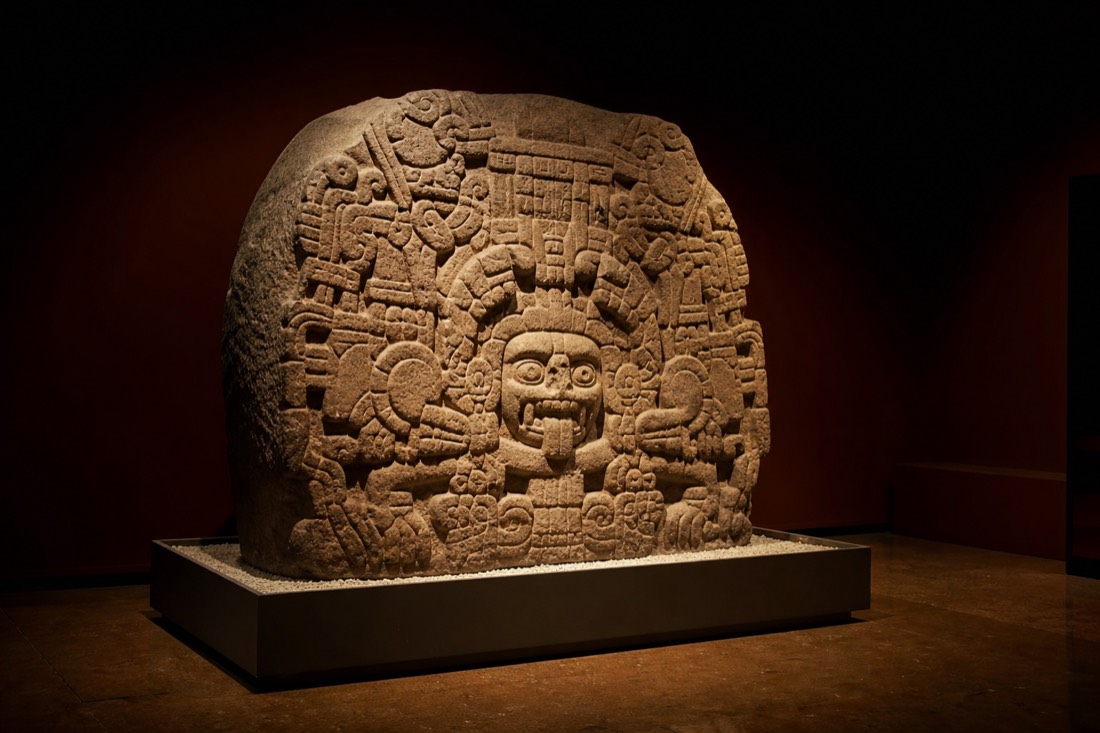
Plan your morning above Teotihuacan
Check the outing that fits your day
Initial editorial choice, not a personalized eligibility check. Confirm the operator’s full requirements before booking.
Do you want the history read on the ground or the plan from the air?
This screens only the details you enter. Health, pregnancy, the 220 to 308 lb balloon surcharge band, language, pickup zones and all remaining restrictions still need operator confirmation. Time allowances include check-in and travel where the listing states them.
- Private Teotihuacan tour with an archaeologist and VR experience. Answers the history questions a general guide skims: what the city was, who built it, and what the murals meant, from a working archaeologist. About half a day; confirm timing on the listing. You arrange your own transport to the meeting point; no hotel pickup. Children from about 6 per the listing age bands.
- Private Teotihuacan tour from Mexico City with entry tickets. A private guide and door-to-door transport for the pyramids themselves, on a day you keep for the ground. Roughly 5 to 6 hours door to door; confirm on the listing. Adult price bands start at 18 per the listing; child pricing applies up to about 7 years. A ground tour, not a flight.
- Balloon flight with CDMX pickup, cave breakfast and pyramids visit. The full sunrise sequence in one booking: flight, cave breakfast and the ruins walked with a guide. About 4 to 7 hours door to door; pickup between 4:20 and 5:10 a.m. Shared basket; you climb into the basket. Site entry fee is extra. Over 100 kg (220 lb) up to 120 kg costs MXN 500 more; over 120 kg up to 140 kg costs MXN 1,000 more, per the listing. Weather moves or cancels flights.
Compare your actual party totals
Enter current quotes in the same currency. “Separate spending” means costs you would actually avoid, not a day you still pay for.
Private Teotihuacan tour with an archaeologist and VR experience
Have a travel date in mind? Check it before arranging the rest of the day. Answers the history questions a general guide skims: what the city was, who built it, and what the murals meant, from a working archaeologist.
About half a day; confirm timing on the listing. Entry fees, archaeologist-led private tour, VR experience, educational materials.
You arrange your own transport to the meeting point; no hotel pickup. Children from about 6 per the listing age bands.
Schedule loading. You can still check dates directly on Viator below.
Scheduled dates are not confirmed seats. Select the same date on Viator to confirm availability and the final price.